Hospitality Renovation
Sea Watch Restaurant Renovation — Scan-to-BIM Case Study
How Heleos VDC used 3D laser scanning and scan-to-BIM to document the existing conditions of Sea Watch on the Ocean — a 50-year-old oceanfront restaurant — and deliver an as-built model the design team could trust for its renovation.
Project Facts
- Location: Fort Lauderdale, FL
- Building type: Oceanfront restaurant (hospitality)
- Architect: 5Architecture
- Year: 2025–2026
- Primary service: 3D Laser Scanning & Scan-to-BIM
- Services used: 3D Laser Scanning, Scan-to-BIM, As-Built Documentation
- Model level: LOD 400 Revit
- Tools: FARO, Autodesk Revit, Navisworks Manage, Matterport, Bluebeam
- Deliverable: As-built LOD 400 Revit model & as-built floor plans
- Heleos Complexity Rating: 5.9
Project Overview
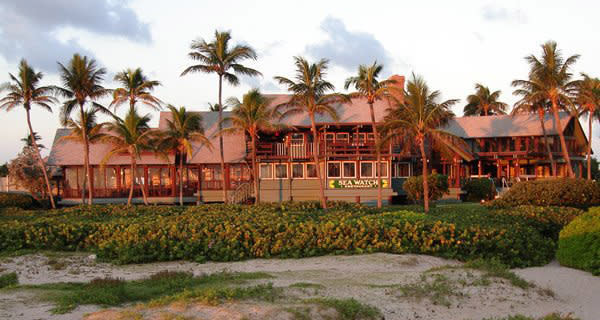
Sea Watch on the Ocean has been a fixture of Fort Lauderdale's coastline since 1974. Perched on a three-acre bluff 50 yards from the Atlantic, the two-story post-and-beam landmark has served generations of guests across five decades. Its heavy timber framing, rustic oak-and-beam aesthetic, and ocean-view deck have defined the property since its founding — a deliberate expression of Old Florida coastal character the ownership has consistently chosen to preserve.
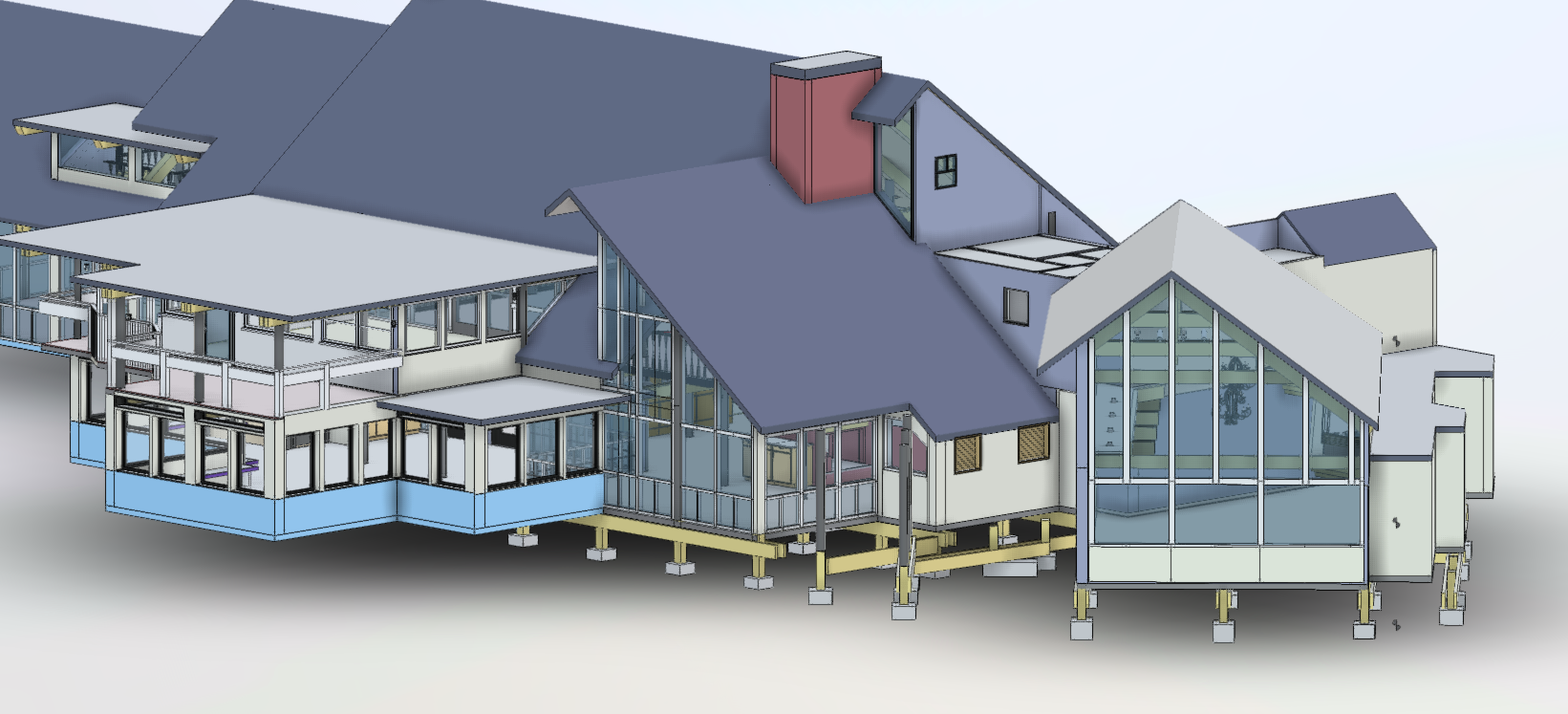
After 50 years of continuous operation, the ownership team committed to a full renovation. The goal was straightforward: refresh and elevate the dining experience without losing what makes the building worth preserving. Before a single design decision could be made, the team needed an answer to a question common to any historic renovation: what do we actually have?
5Architecture brought in Heleos VDC to capture the existing conditions from the ground up — every wall, every ceiling plane, every structural member — and build a model the design team could trust. With no accurate as-built drawings on record for a 50-year-old building, that model would be the foundation for every construction document that followed.
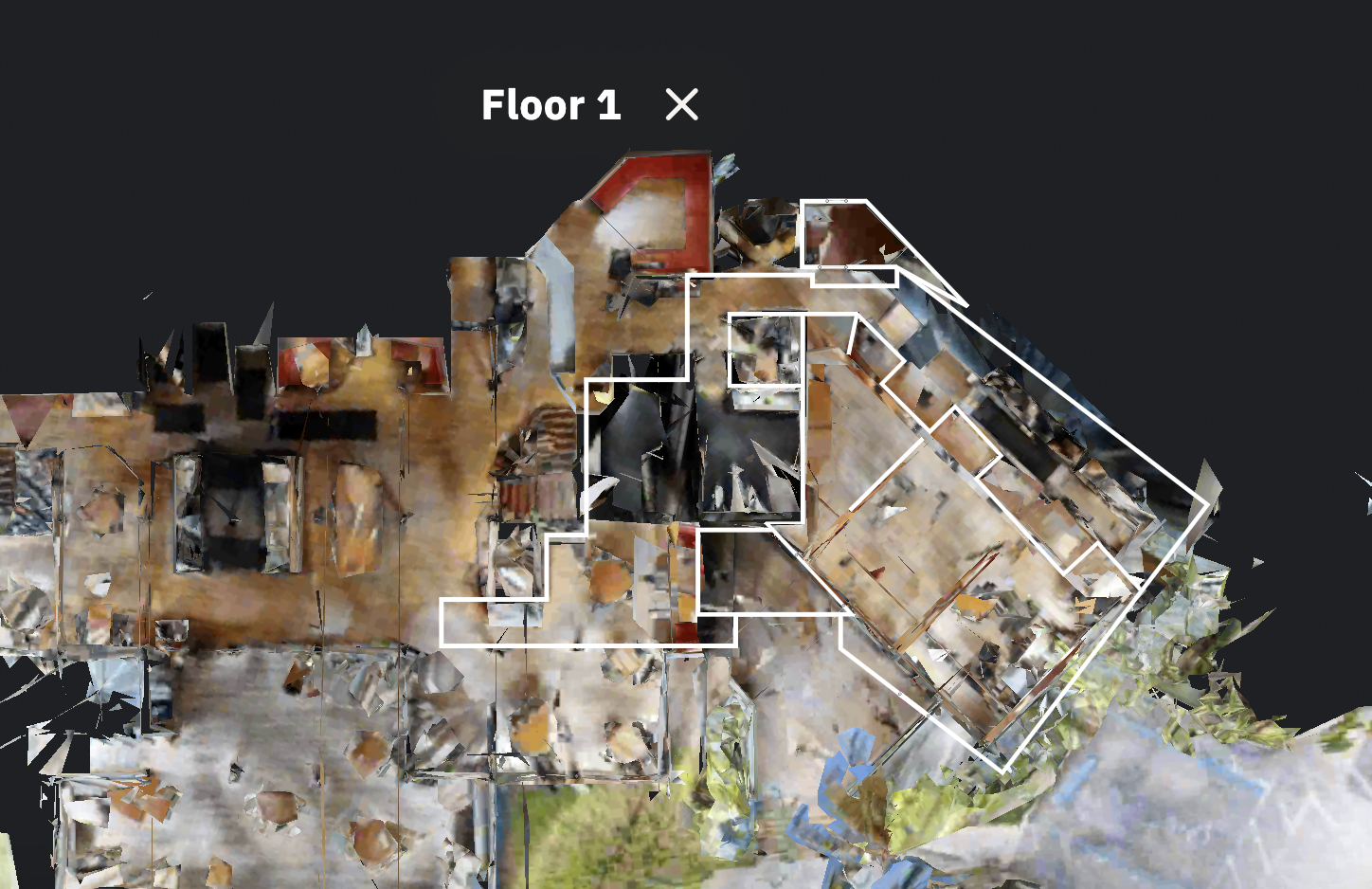
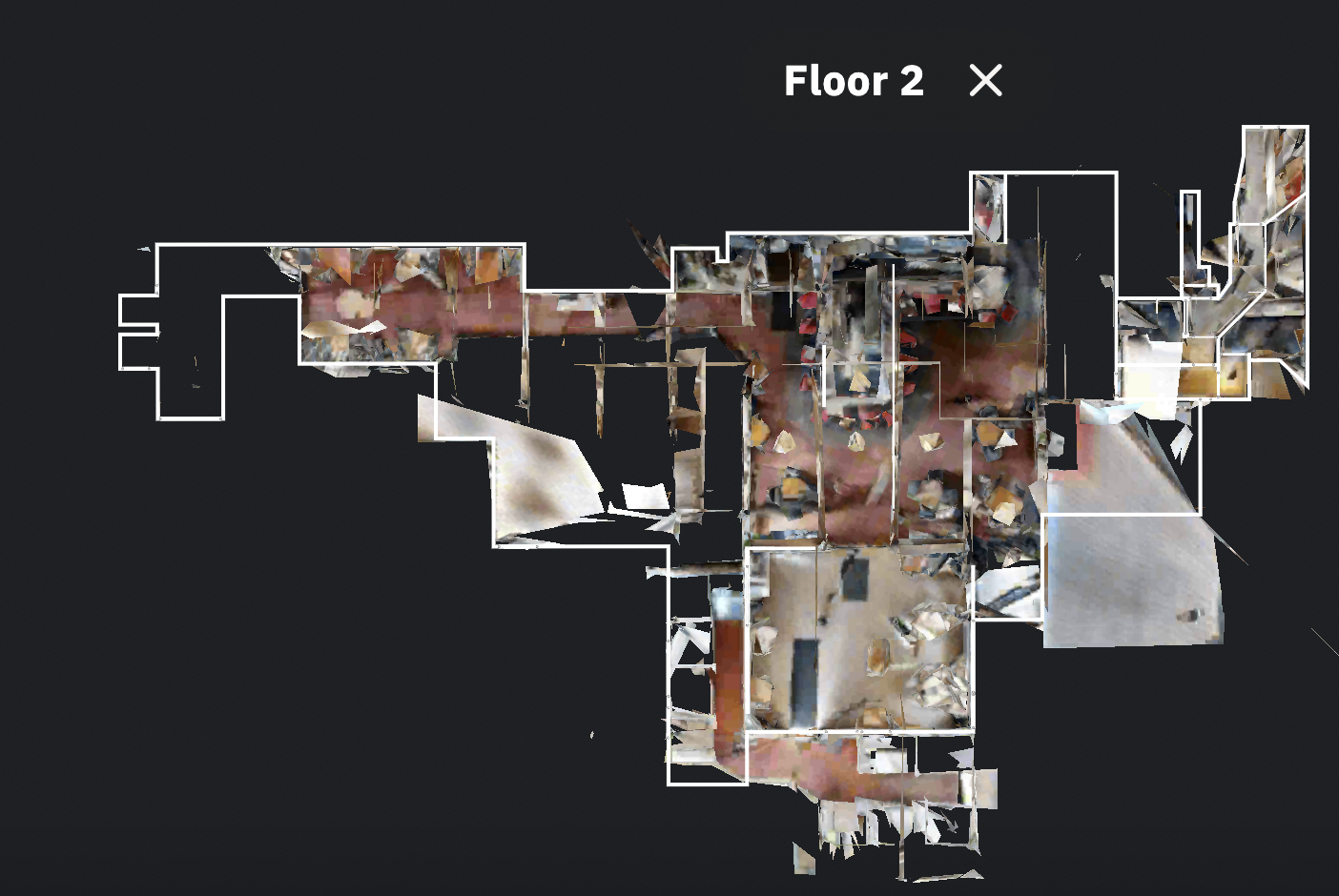
Floor Plans
Matterport 3D Laser Scan
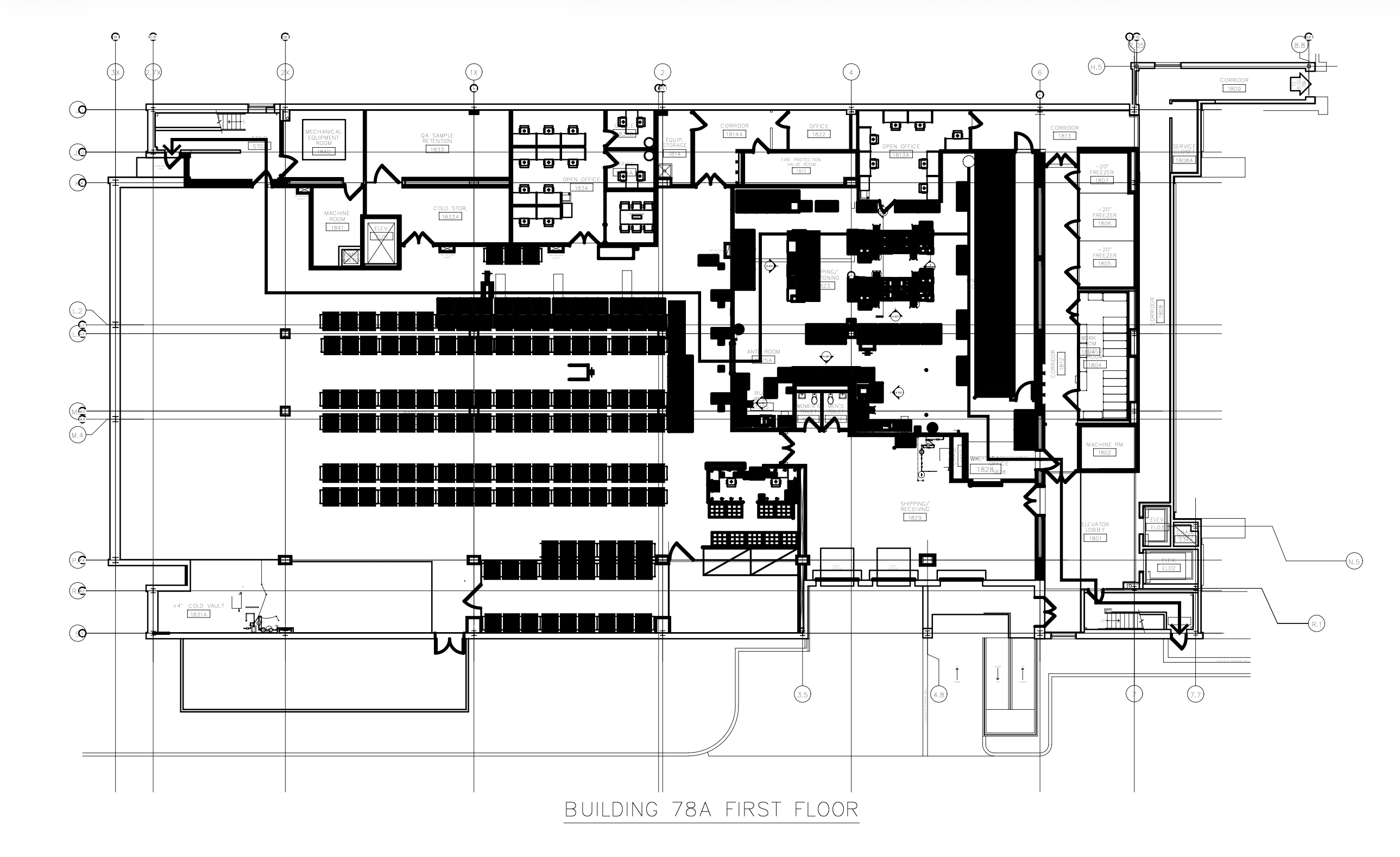
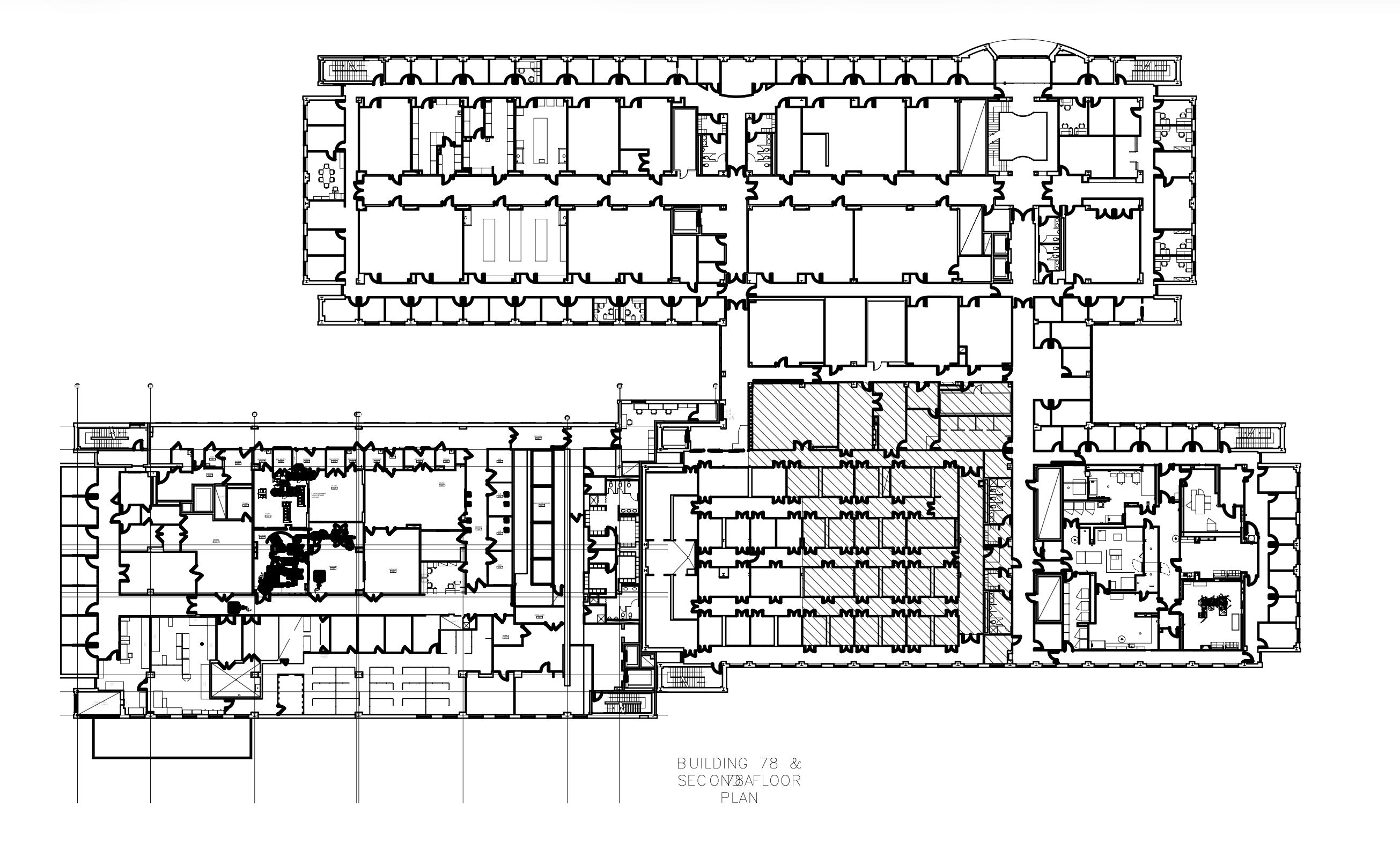
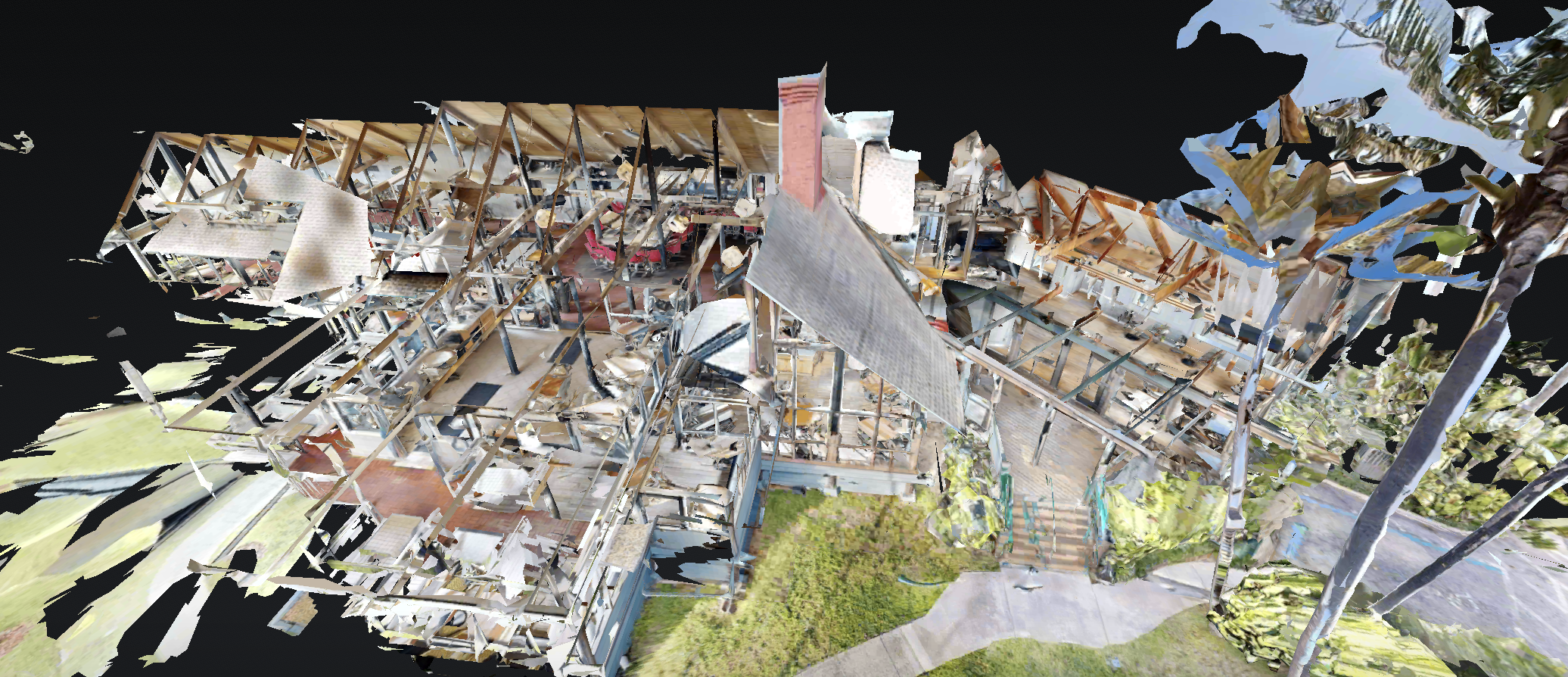
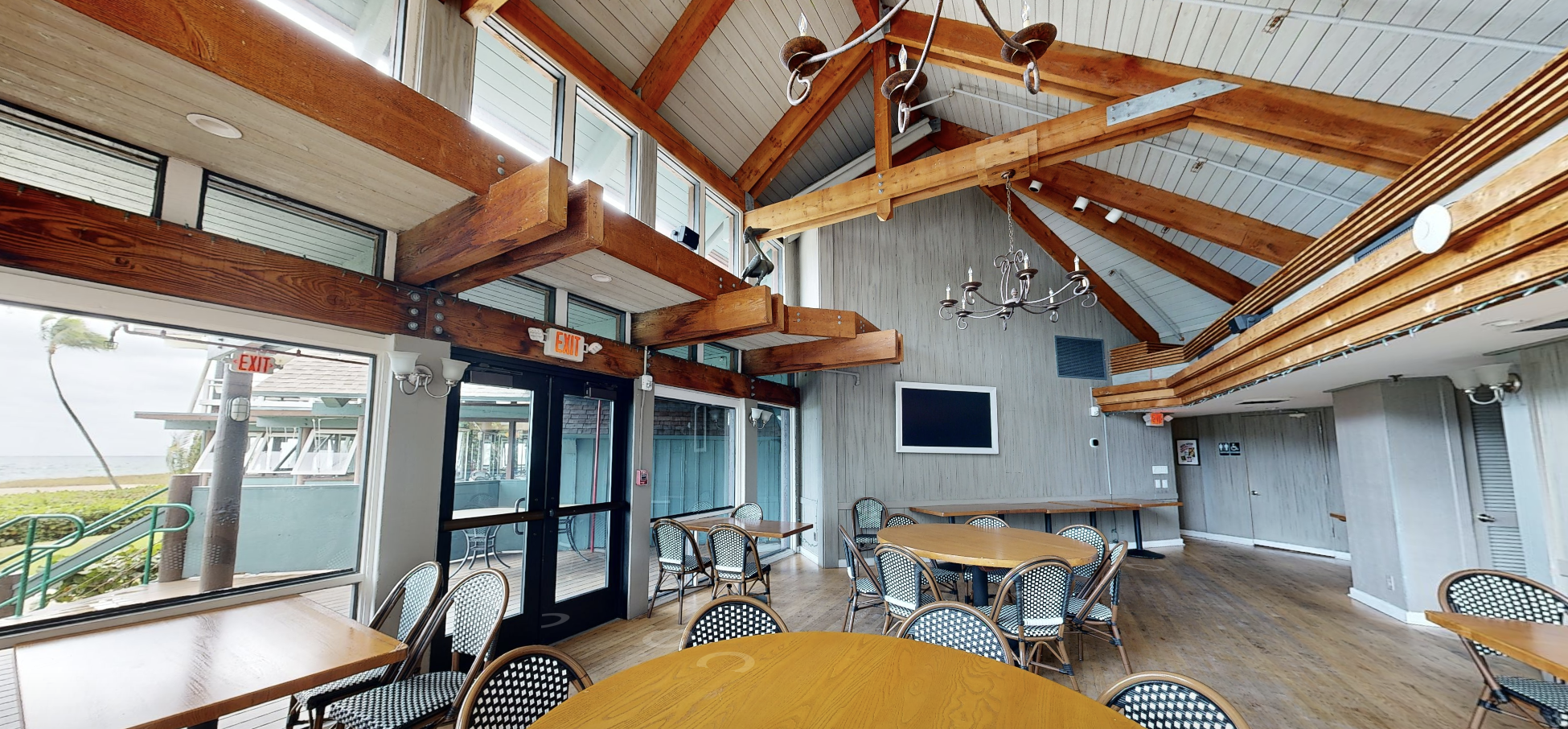
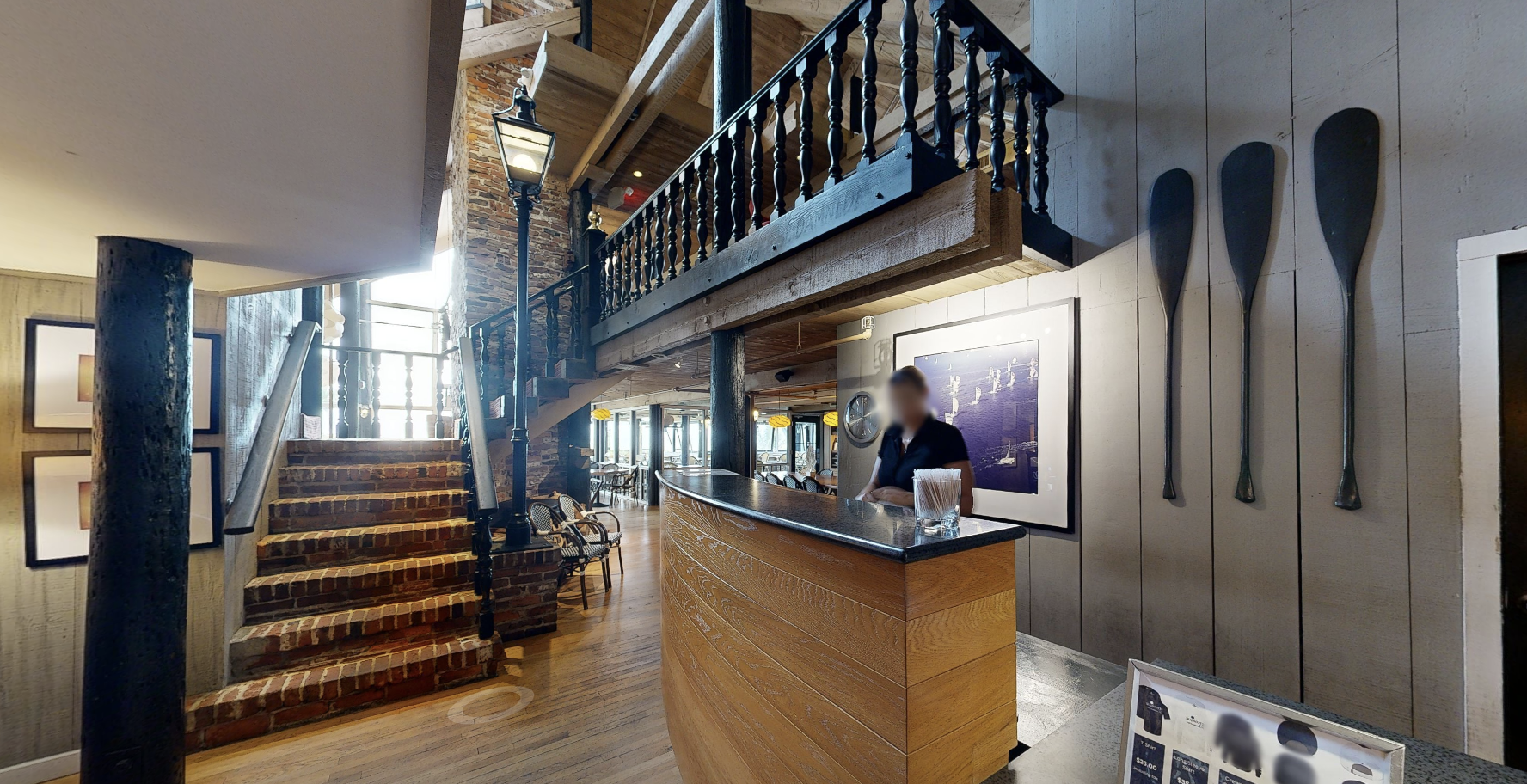
Bird's-eye scan views and a 360° walkthrough from our Matterport capture of Sea Watch on the Ocean. Each floor is individually mapped with photorealistic texture — giving the design team remote access to existing conditions from any browser.
The Challenge
No accurate as-built drawings existed for the building. What documentation remained from the original 1974 construction was incomplete, unarchived, or never updated through decades of minor alterations and equipment changes. The renovation team had no reliable record of wall locations, structural member positions, ceiling heights, or MEP rough-in locations.
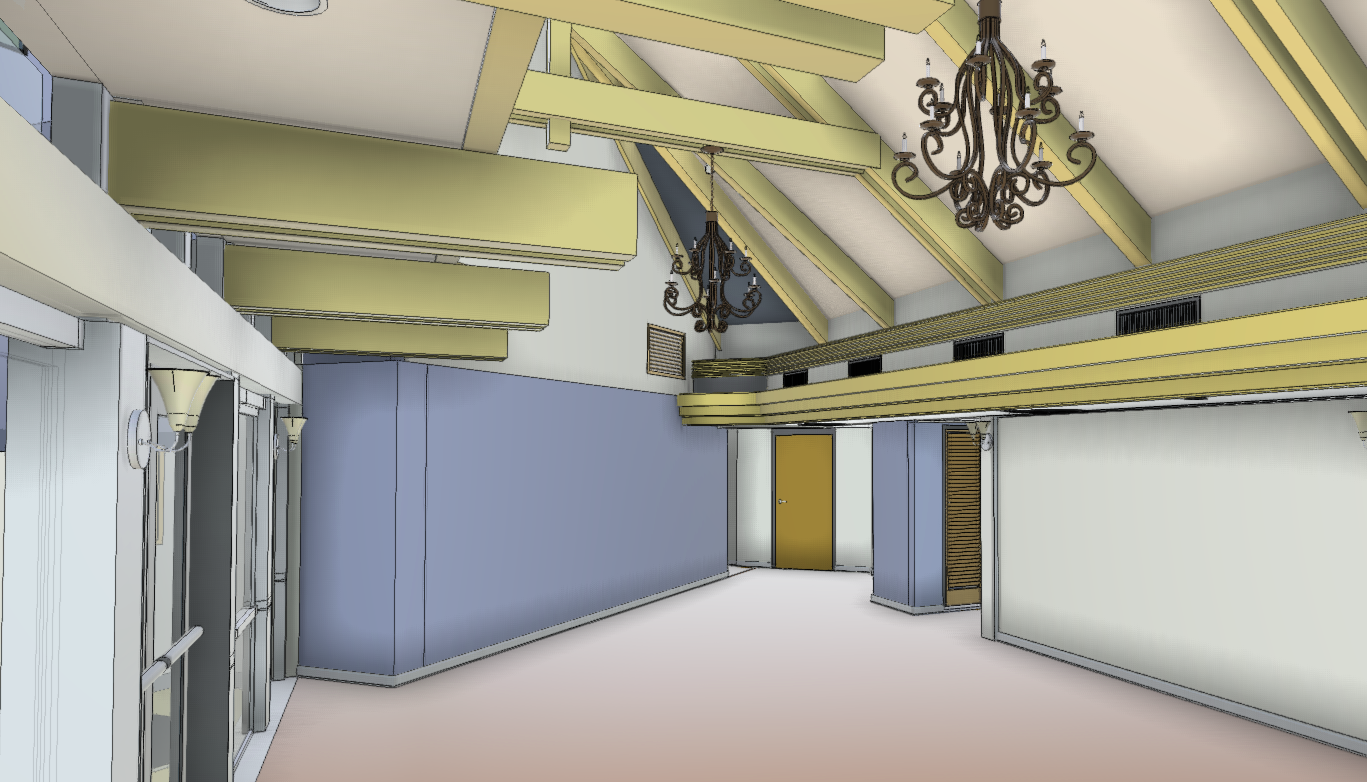
The post-and-beam construction added a layer of complexity. Unlike standard wood-frame or masonry construction, post-and-beam framing introduces irregular column positions, non-standard bay dimensions, and exposed structural geometry that must be precisely captured to inform any interior redesign. A dimension pulled from memory or an old photo is not sufficient when the construction documents go to bid.
Two floors of restaurant space — each with multiple rooms, service areas, and varying ceiling conditions — required a thorough, systematic scan. Floor 1 ceiling heights range from 7'6" in service spaces to 21'7" in the main structural bays; Floor 2 ranges from 7'4" to 9'11". Every ceiling plane, every soffit drop, and every structural beam at elevation needed to be captured and modeled.
The stakes were clear: any inaccuracy in the existing-conditions model would propagate directly into the renovation drawings — and eventually onto the jobsite, where corrections are expensive. The design team needed a starting point they could trust completely.
| Floor | Notable Spaces | Ceiling Range |
|---|---|---|
| Floor 1 | Multiple dining + service areas (645 sq ft, 835 sq ft + smaller spaces) | 7'6" – 21'7" |
| Floor 2 | Main dining ~3,551 sq ft + support spaces | 7'4" – 9'11" |
Our Workflow
- Laser scan both floors and relevant exterior conditions, then register the point cloud to the project coordinate system.
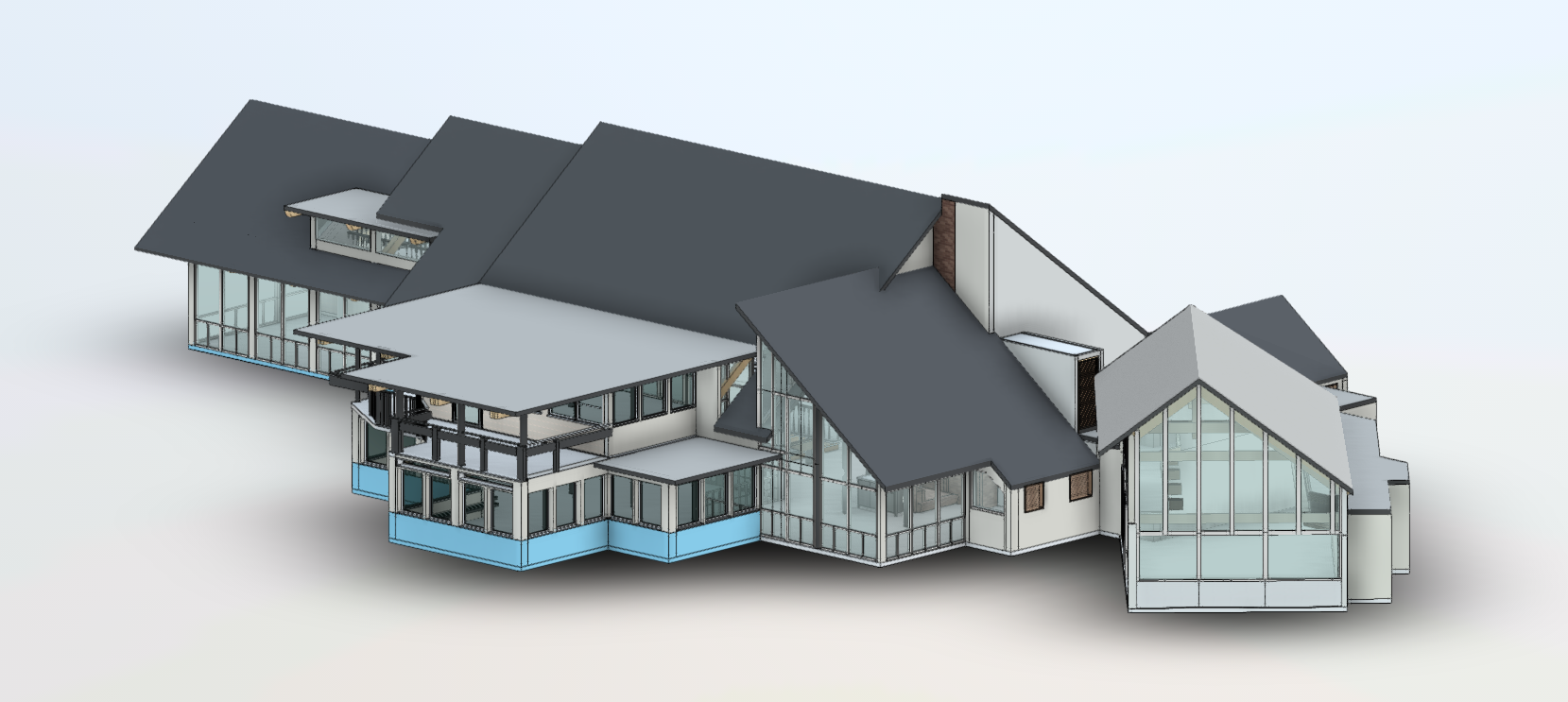
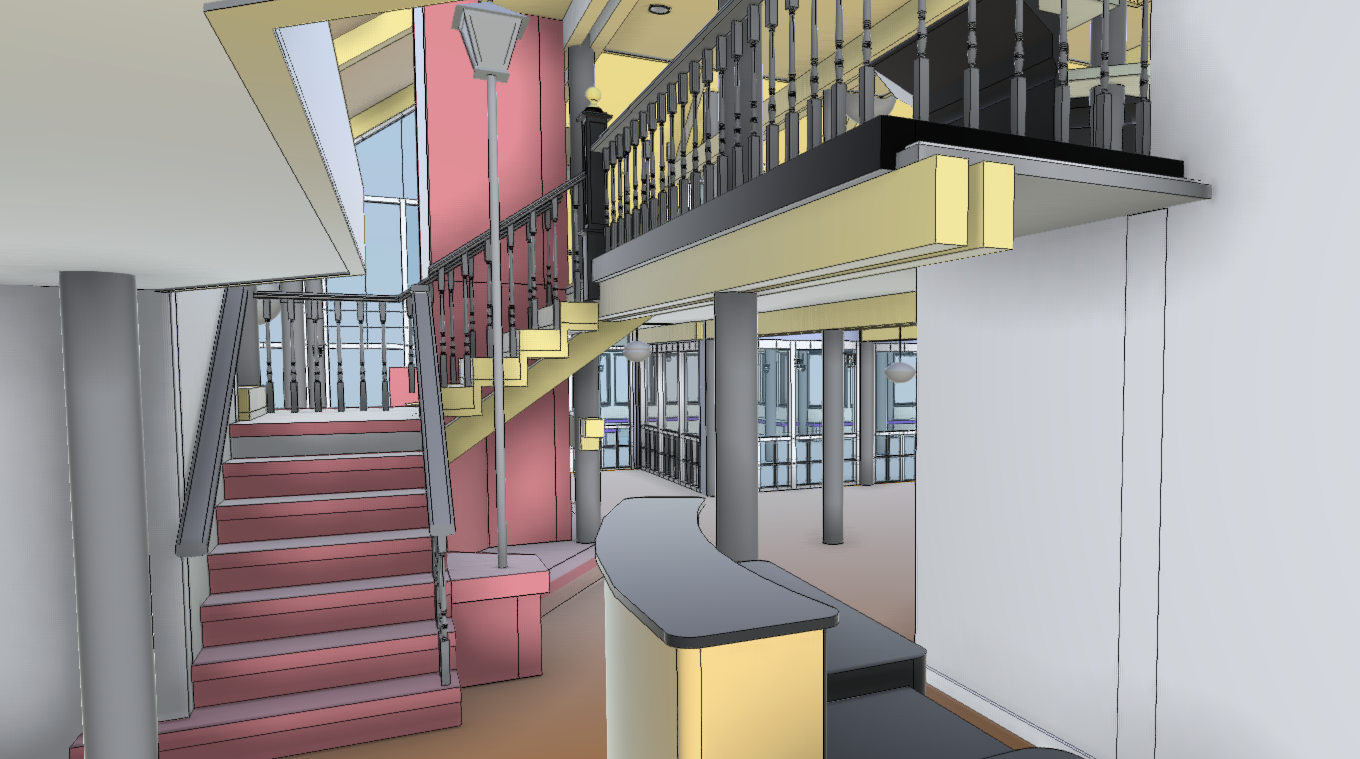
- Author an as-built LOD 400 Revit model that captures the irregular post-and-beam geometry, verified against the point cloud.
- Produce as-built floor plans documenting wall locations, ceiling heights, and structural geometry for both floors.
- Publish a Matterport 3D walkthrough so the design team and ownership can review existing conditions remotely.
- Hand off the verified model, plans, and point cloud reference data for the renovation design.
Before & After
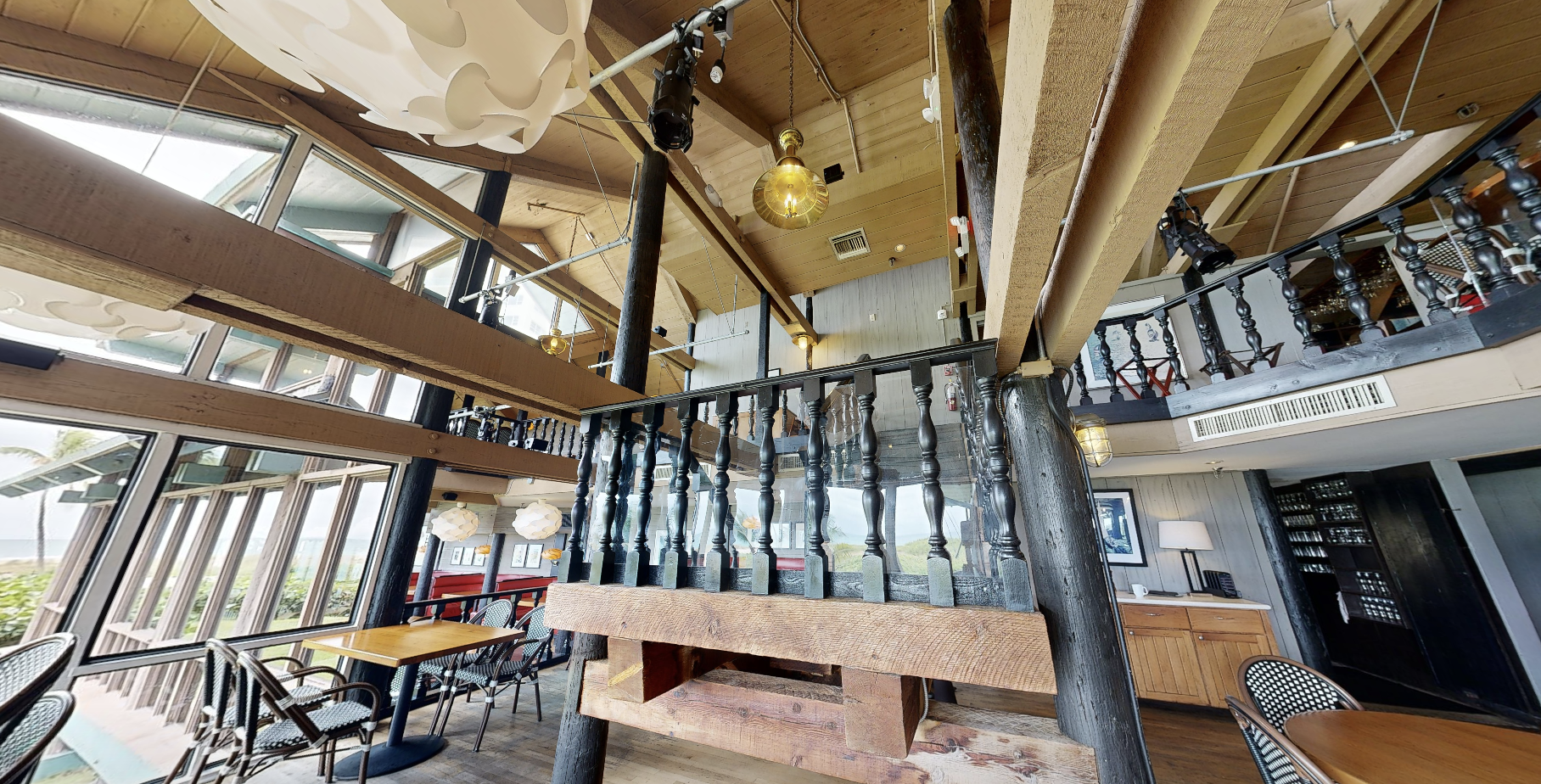
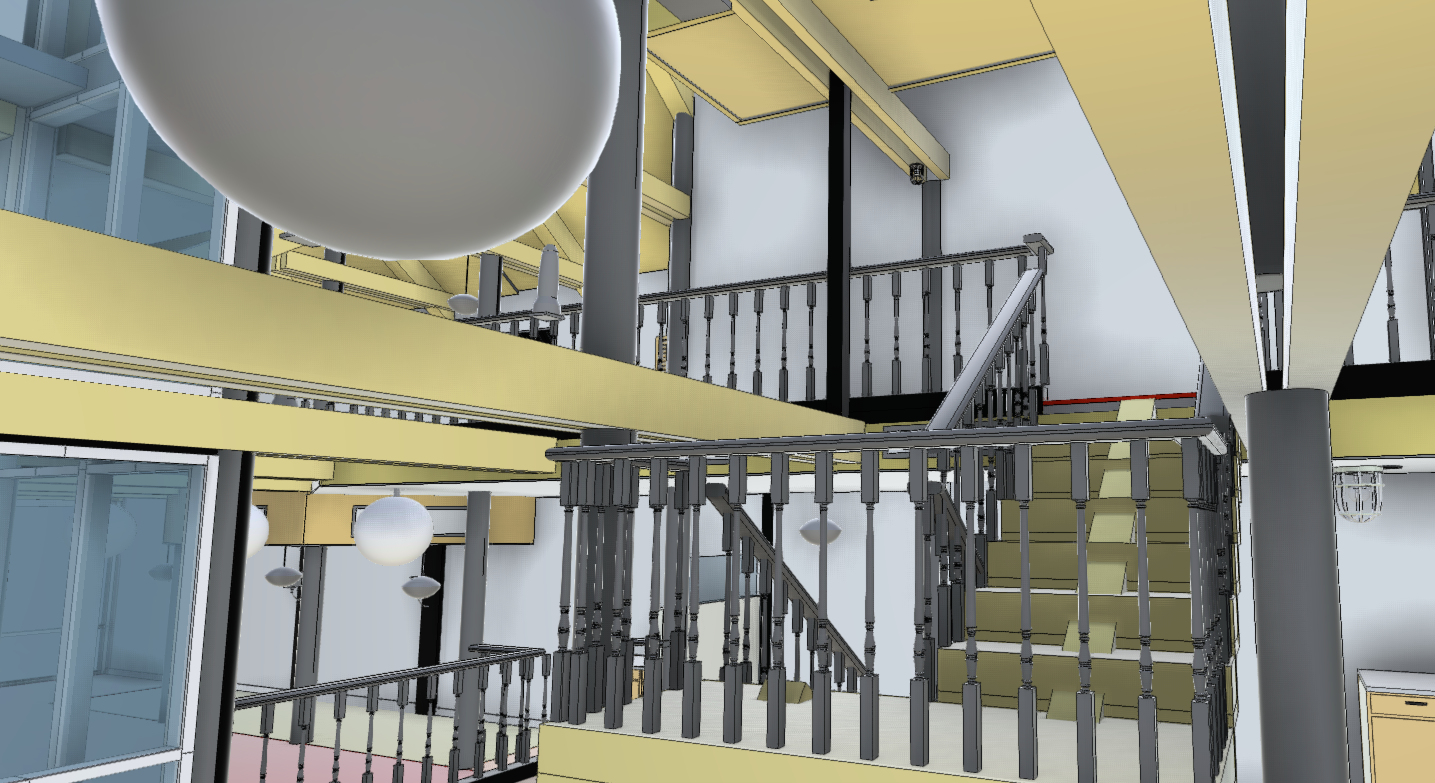
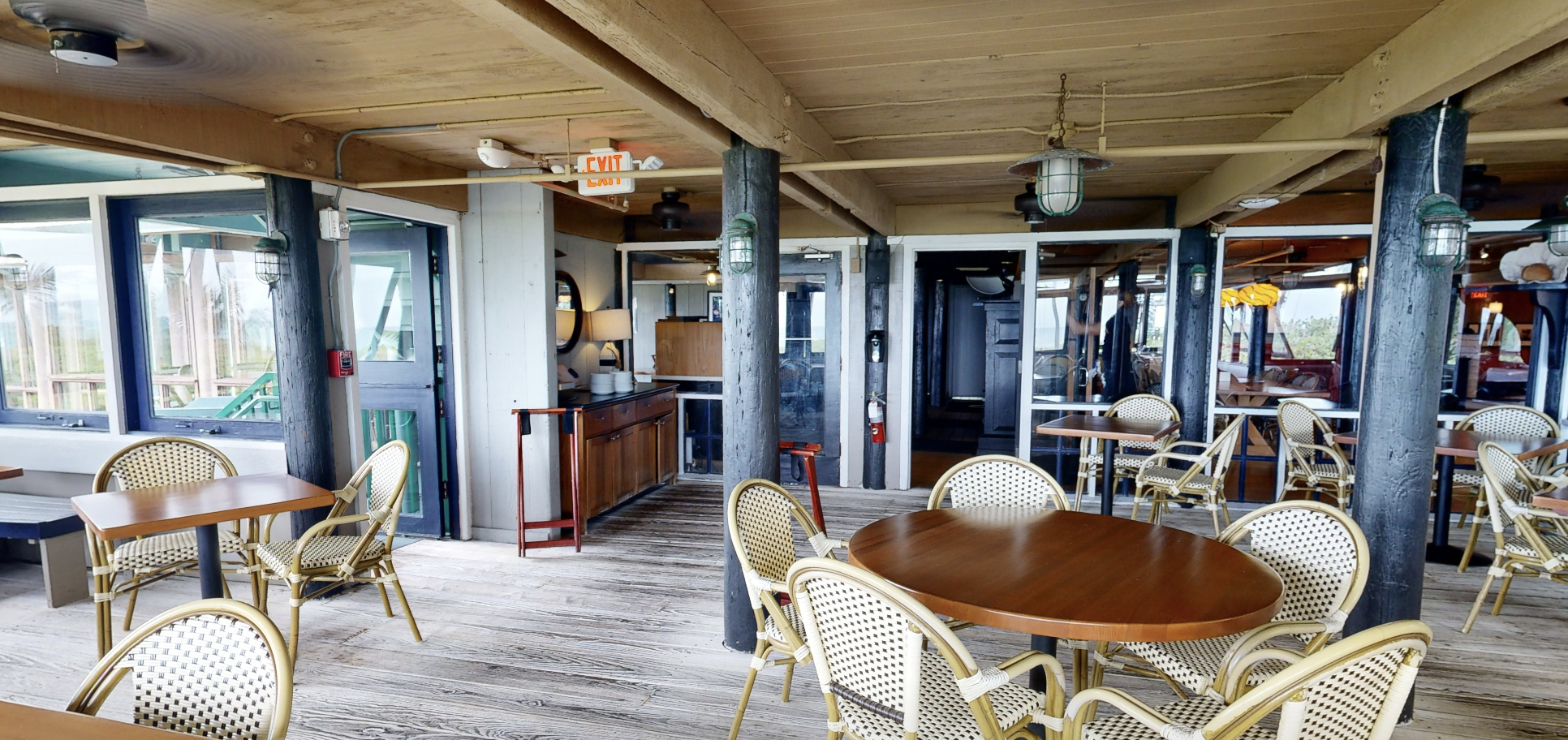
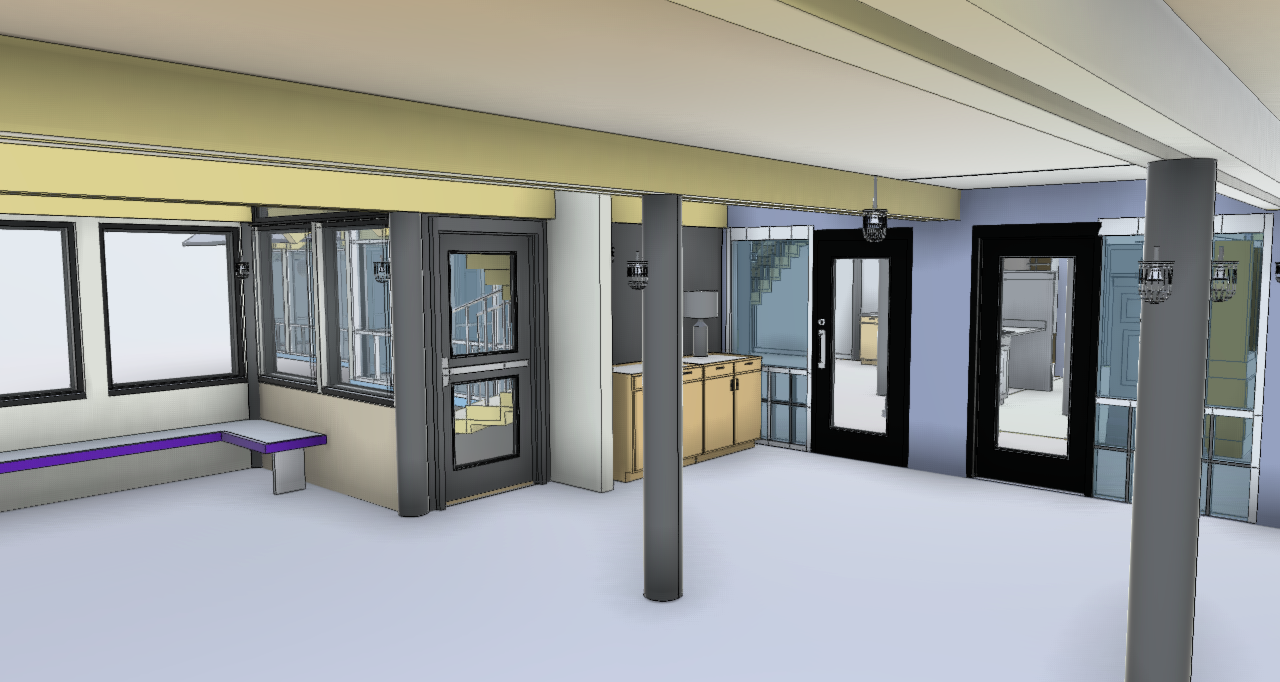
What We Delivered
- Full 3D laser scan of both floors — Floor 1 and Floor 2 captured with complete coverage of structural members, wall faces, ceiling planes, and MEP rough-in locations.
- LOD 400 Revit model delivered as-built and verified against the point cloud.
- As-built floor plans for Floor 1 (multiple spaces totaling ~1,600 sq ft) and Floor 2 (~3,800 sq ft including support spaces), including wall locations, ceiling heights, and structural geometry.
- Matterport 3D walkthrough for remote access by the design team, ownership, and other project stakeholders — no site visit required for visual reference.
- Point cloud merge data (structured CSV export) for ongoing reference and future model updates.
Tools Used
- FARO laser scanner
- Autodesk Revit
- Navisworks Manage
- Matterport
- Bluebeam
Results
Sea Watch on the Ocean illustrates why scan-to-BIM is the standard pre-renovation move for any building where the as-built condition is unknown or undocumented. Starting from verified existing conditions — rather than old drawings, field memory, or educated estimates — gave the entire project team a common, accurate reference point before a single design decision was committed to paper.
~60% — Typical reduction in in-field RFIs on scan-to-BIM coordinated projects
Design Confidence
5Architecture received a model they could load directly into their design workflow — no field verification, no guesswork.
Remote Access
The Matterport walkthrough let the full project team review existing conditions without requiring site visits.
Preserved Character
Precise documentation of the post-and-beam geometry means the renovation can work around — not against — the building's defining structure.
Service & Location Summary
This Fort Lauderdale project shows how Heleos VDC delivers scan-to-BIM for hospitality renovations across Florida — capturing complex existing conditions and producing a trustworthy as-built model so renovation work on landmark, occupied buildings stays predictable.
Frequently Asked Questions
How does scan-to-BIM help a restaurant renovation?
3D laser scanning captures the restaurant's exact existing geometry — including irregular post-and-beam framing and varying ceiling heights — so the renovation can be designed in an accurate as-built model before construction, reducing surprises in a landmark building with no reliable original drawings.
What services did Heleos VDC provide for the Sea Watch renovation?
Full 3D laser scanning of both floors, an as-built LOD 400 Revit model verified against the point cloud, as-built floor plans, and a Matterport 3D walkthrough for remote review by the design team and ownership.
Project Location
Sea Watch on the Ocean sits on a three-acre oceanfront bluff in Fort Lauderdale, FL — 50 yards from the Atlantic, on N Ocean Blvd (A1A).
Sea Watch on the Ocean — Fort Lauderdale, FL
Coordinates: 26.1963, -80.0959